4-Week Puppy Training Routine: Potty, Cues & Socializing
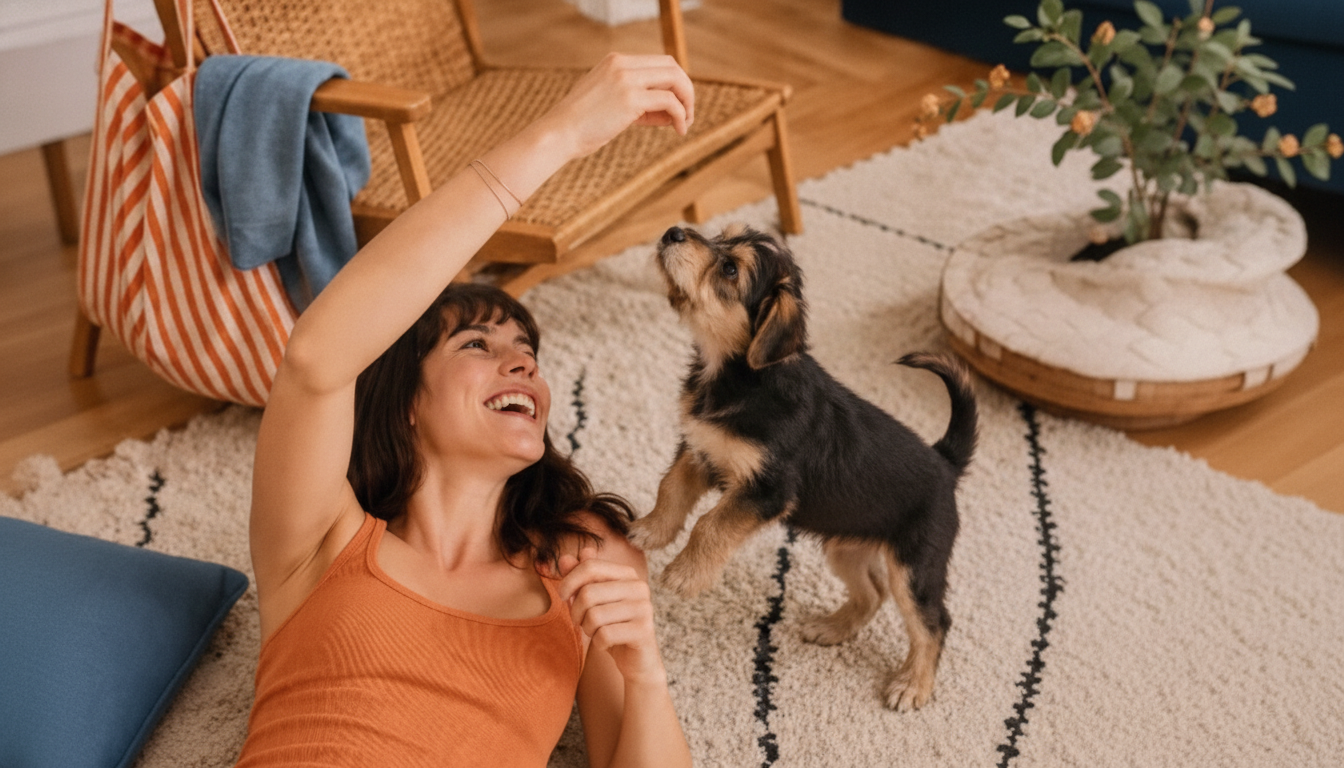
New Puppy Training Starter Guide: A 4-Week Routine for House-Training, Basics, and Socialization
A new puppy learns fastest with short, consistent sessions and a predictable day. This starter guide lays out a practical 4-week routine that covers house-training, core cues, handling exercises, and age-appropriate socialization—plus a simple plan that helps beginners stay consistent through the first month.
Before Training Starts: Set Up the Home for Quick Wins
The fastest progress usually comes from preventing mistakes, not “fixing” them later. Before you start teaching cues, set up your environment so your puppy can succeed by default.
- Choose a confinement plan: a crate, playpen, or puppy-proofed room. This prevents rehearsing accidents, chewing, and unsafe exploring when you can’t supervise.
- Pick one potty spot outdoors and commit to it. Going to the same location helps your puppy connect the dots quickly.
- Decide on markers and rewards: a quick marker word (“Yes”) or a clicker, plus tiny high-value treats.
- Create a house rule list: off-limits rooms, furniture rules, feeding location, and who takes the puppy out. Consistency between family members matters more than perfection.
- Schedule a vet check and discuss your vaccine timeline and what “safe socialization” looks like in your area.
For a ready-to-follow plan you can print and share with everyone in the home, see New Puppy Training Starter Guide (printable 4-week routine).
A Simple Daily Rhythm for Young Puppies
Most puppy behavior issues get easier when the day follows a repeatable loop. The goal is not strict scheduling—it’s predictable patterns that meet your puppy’s needs.
- Use a reliable loop: potty → play/training → water/meal (if scheduled) → potty → nap.
- Keep training sessions brief: 1–3 minutes, several times daily, so you end while your puppy is still engaged.
- Plan calm decompression: chew toys, sniffing games, and naps reduce overtired biting and “zoomies.”
- Track patterns for a week: you’ll quickly spot when potty needs spike (often after sleep, play, and meals).
Sample day plan for an 8-week-old puppy (adjust to your household)
| Time | What to do | Goal / notes |
|---|---|---|
| 6:30 | Potty outside | Quiet praise; reward as soon as finishing |
| 6:40 | Breakfast + water | Use part of meal for training rewards if helpful |
| 6:55 | Potty outside | Most puppies need to go shortly after eating |
| 7:05 | Play + 2-minute training (name, sit) | End while puppy is still engaged |
| 7:20 | Nap in crate/pen | Build comfort with short, safe confinement |
| 9:00 | Potty outside | Go straight to spot; keep it boring until potty happens |
| 9:10 | Socialization outing (safe carry/yard) + handling | New sights/sounds; brief paw/ear touches with treats |
| 10:00 | Nap | Overtired puppies bite more—sleep is training support |
| 12:00 | Lunch + potty | Repeat the loop; add a short leash walk if safe |
| Afternoon | Alternating potty, play, training, naps | Potty after waking, after play, after eating/drinking |
| Evening | Dinner + calm time | Lower arousal; practice settle on mat |
| Night | Last potty + sleep | Set an alarm if needed for overnight potty |
House-Training Foundations That Actually Stick
House-training improves fastest when accidents become rare. That means active supervision plus smart confinement—no scolding required.
- Supervision beats correction: if your eyes aren’t on the puppy, use a crate/pen so accidents can’t happen in secret.
- Use reliable potty triggers: after waking, after eating, after play, after training, and before confinement.
- Reward immediately at the potty spot: treat comes right after your puppy finishes outdoors (not after you return inside).
- If an accident happens: interrupt gently, take your puppy outside, reward if they finish outdoors, and clean with an enzymatic cleaner.
- Avoid punishment: it can teach “hide to potty” and can slow progress.
For additional house-training detail, the American Kennel Club’s housetraining guidance is a helpful reference.
Week 1: Bonding, Name Response, and Calm Settling
The first week is about safety and trust. Training should feel easy: tiny lessons, big rewards, and lots of naps.
- Primary goals: learn the daily loop, strengthen house-training consistency, and build a strong reward history.
- Name response: say the name once → mark → treat when your puppy turns toward you.
- “Sit” as default manners: ask for a sit before meals, leash clipping, and greetings.
- Start “settle” on a mat/blanket: reward calm posture and relaxed breathing in short bursts.
- Gentle handling: touch collar, paws, ears, and mouth area while feeding treats so care routines become normal.
Week 2: Leash Basics, Leave It, and Bite-Inhibition Games
- Leash comfort indoors first: clip leash → treat → short “follow me” games across the room.
- Teach “leave it” with low-value items, then slowly increase difficulty as success improves.
- Bite inhibition: redirect to a toy; if teeth hit skin, pause play briefly, then resume when calm.
- Four paws on the floor: reward calm approaches and manage greetings so jumping doesn’t get practiced.
- Gentle socialization: new surfaces, noises, friendly people—short exposures paired with treats.
Week 3: Come When Called, Drop It, and Real-World Proofing
Week 4: Social Skills, Polite Greetings, and a Maintenance Plan
For socialization timing and why early experiences matter, review the AVSAB position statement on puppy socialization.
Printable Plan Option: When Consistency Is the Hard Part
For an organized routine you can keep on the fridge, start here: New Puppy Training Starter Guide | Printable Puppy Training eBook for Beginners | 4-Week Puppy Routine, House-Training, Commands, Socialization & More.
If household noises trigger worry (including cleaning sounds), pairing training with calm exposure can help. This companion resource focuses on noise-related stress: Helping Pets Handle Vacuum Stress.
FAQ
What is a good routine for an 8 week old puppy?
Use a repeating cycle of potty, brief play/training, food (on schedule), potty again, then a nap. Most puppies need potty after waking, after eating, and after play; keep training sessions 1–3 minutes several times daily and prioritize naps to prevent overstimulation.









Leave a comment