Cat Body Language Signs of Illness: What to Watch For
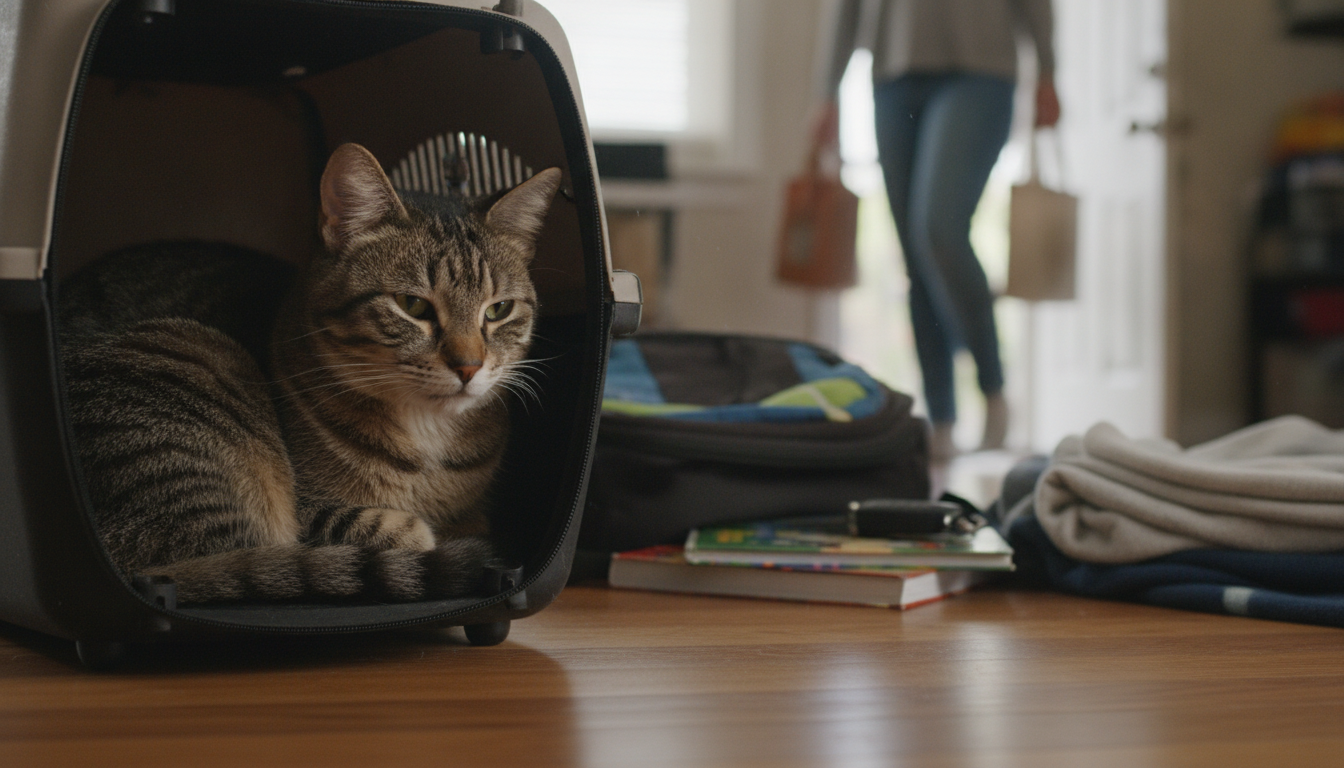
How does a cat’s body language indicate when they are sick?
Cats are experts at masking discomfort, so small shifts in posture, movement, and facial expression can be meaningful. When a cat feels unwell, their body language often becomes more guarded, less fluid, and noticeably different from their normal routine.
Posture changes that can signal illness
A sick cat may hunch with their head lowered, keep their body tucked, or sit in a “loaf” position more than usual to conserve energy. Some cats crouch with tense muscles, or stand stiffly as if movement is uncomfortable. If your cat is suddenly unwilling to jump, climbs cautiously, or moves with short, careful steps, it can indicate pain, weakness, or nausea.
Face, eyes, and ears tell a story
Look for squinting, half-closed eyes, or a glazed, unfocused stare. Ears that stay flattened, angled sideways, or flick repeatedly can signal distress. A cat that stops grooming may develop a dull, unkempt coat; on the flip side, excessive licking of one spot can suggest localized pain or irritation.
Tail, breathing, and overall tension
A tail held tightly against the body, little tail movement, or a tail that stays tucked can indicate discomfort. Rapid, shallow breathing, belly breathing, or panting in a cat is especially concerning. Also note full-body tension: a cat may feel “hard” when picked up, resist touch, or flinch when approached.
Behavioral cues that pair with body language
Illness-related body language often comes with hiding more than usual, reduced social interaction, or sleeping in unusual locations. Changes around the litter box, appetite, or water intake frequently accompany these cues. For a deeper breakdown of common signs and what to do next, visit this guide on cat body language and sickness.
If body language changes appear suddenly, worsen quickly, or come with trouble breathing, collapse, repeated vomiting, or inability to urinate, contact a veterinarian promptly.
FAQ
What are subtle signs a cat is in pain?
Common subtle signs include hiding, reduced grooming, squinting, a tense or hunched posture, and avoiding jumping or stairs. Some cats also become unusually irritable or withdraw from touch.












Leave a comment